03
Pulse
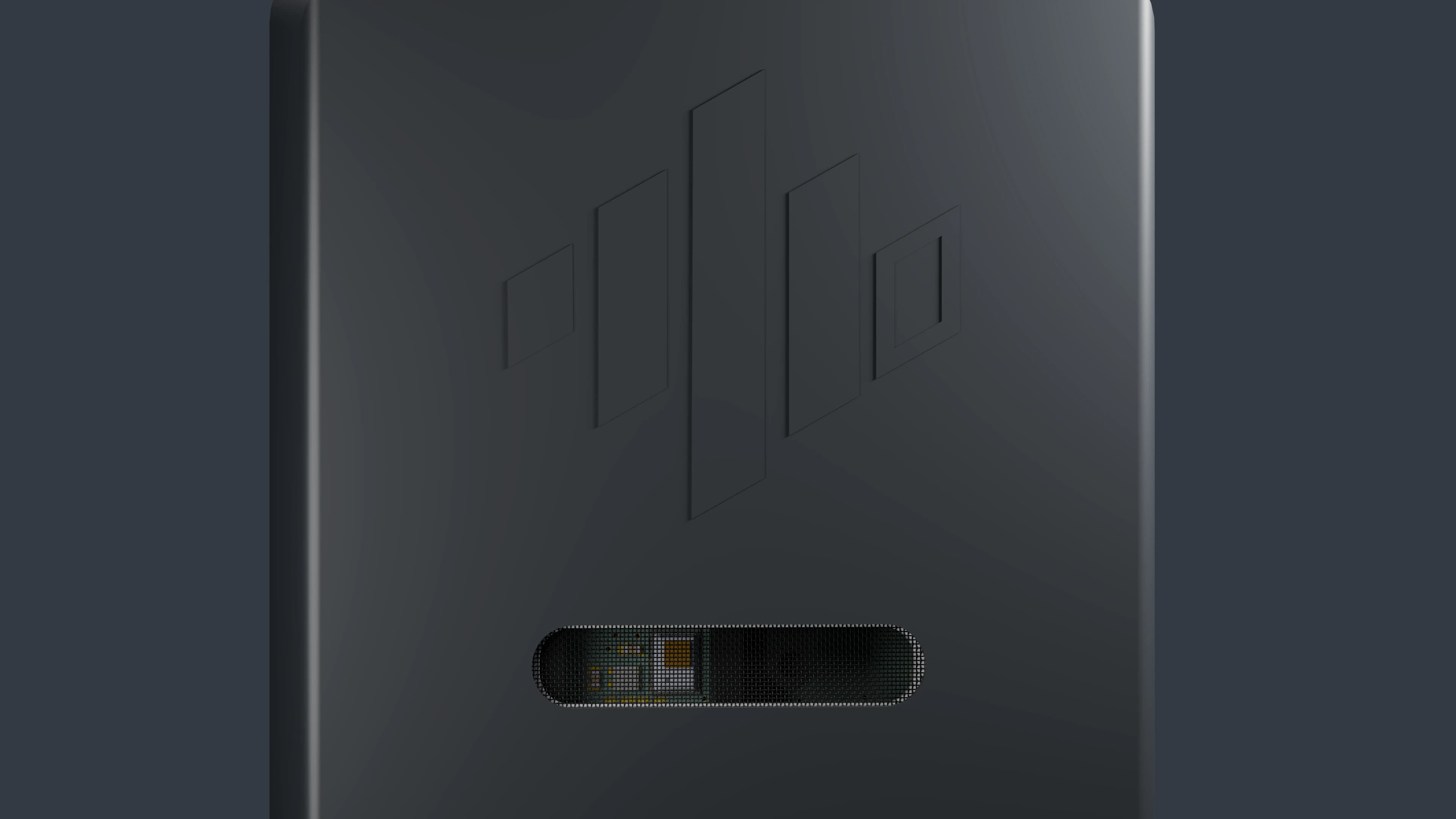
I built a privacy-first ESP32 sensing prototype with structured observation windows and stable embedded test workflows.
- Role
- Embedded systems engineer
- Year
- 2026
- Discipline
- Firmware, wireless sensing
01 Overview
What I built
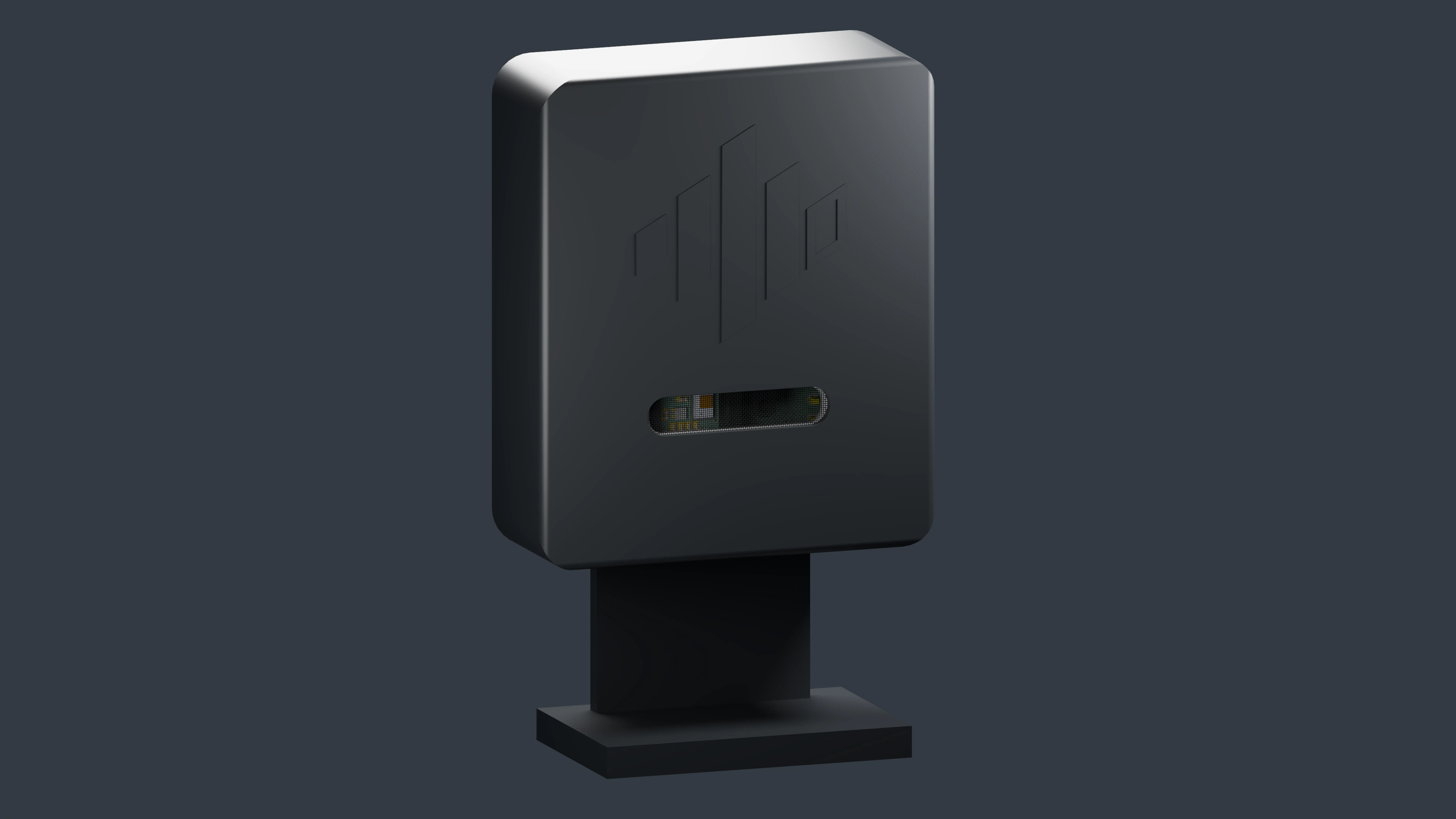
I used an ESP32 to prototype privacy-preserving Wi-Fi, BLE, and local acoustic sensing in Pulse.
The system
I structured Pulse around local-only observation windows.
I designed it to sense events without retaining persistent raw personal identifiers.
I also built a Pulse-Platform Phase 0 slice for public venue exploration. The public surface stays separated from private data and uses clearly labeled simulated data, not a live venue feed.
I keep the repository private, and the current design keeps privacy at the collection boundary.
02 Challenge
The design constraint
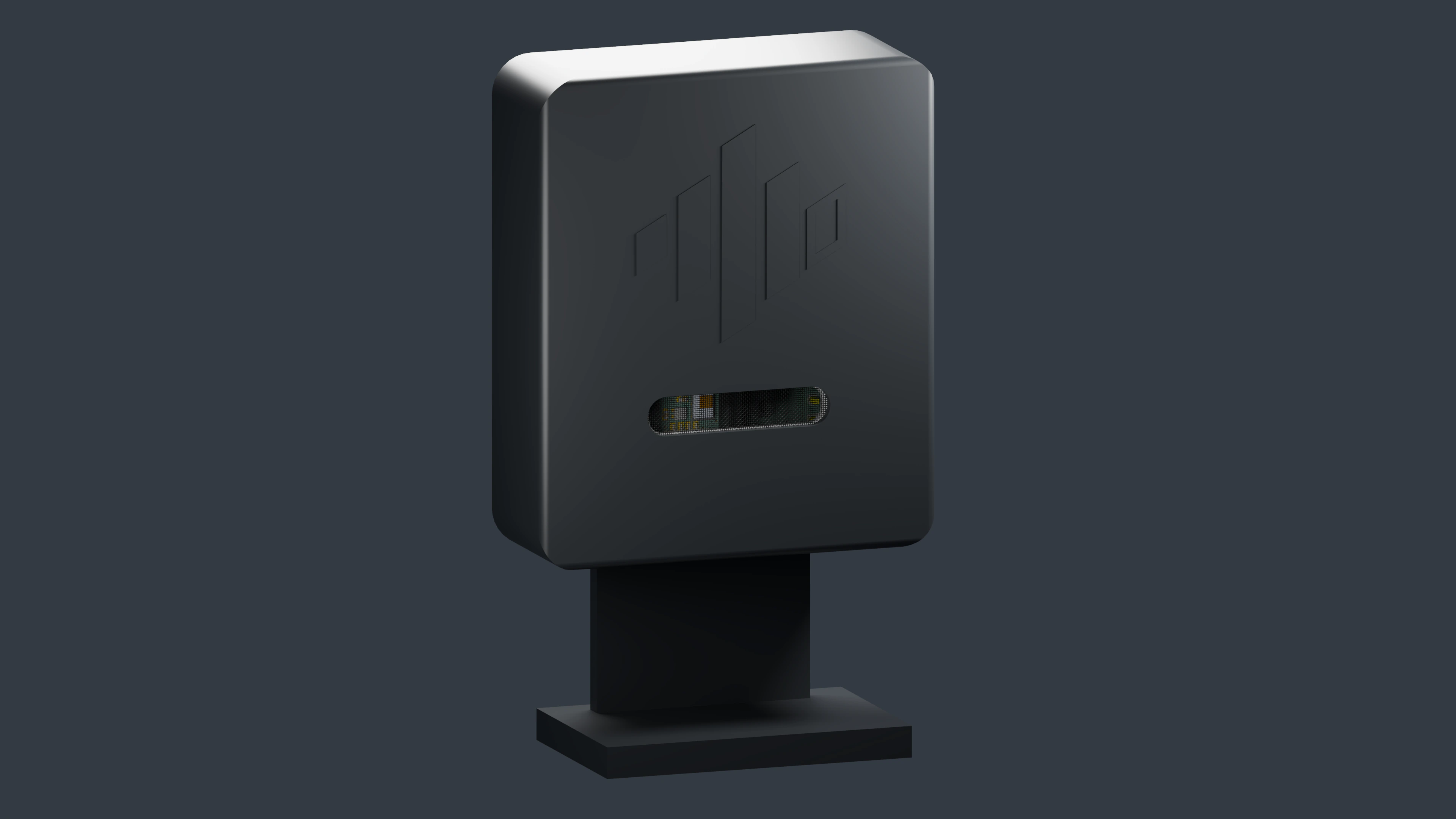
I wanted useful multi-sensor observation without collecting more user-relevant data than necessary.
What I had to protect
I needed useful Wi-Fi and BLE observability without retaining raw identifiers or collecting unnecessary data.
I needed acoustic observation to stay local, with quality-aware windows and little downstream data risk.
I also needed to validate window generation, multi-window stability, and sensor state over time.
03 Process
How I built and tested it
I implemented end-to-end sensor loops and ran controlled tests and soak checks.
What I implemented
I implemented Wi-Fi and BLE polling plus PDM-based sound windows with relative RMS/peak and status and quality outputs.
I rotate and scope identifiers so temporary values are short-lived and hashed before window-level use.
I separated Wi-Fi and BLE domains and added schema checks for repeatable validation.
How I validated it
I ran controlled RF scenarios with 1, 5, and 20 identity cases, along with reset and watchdog stability checks.
I ran soak tests and monitored hardware status on the active platform.
The reviewed firmware lineage includes optional STCC4 climate sensing and OLED health/status paths. Current-head hardware acceptance and physical qualification remain open.
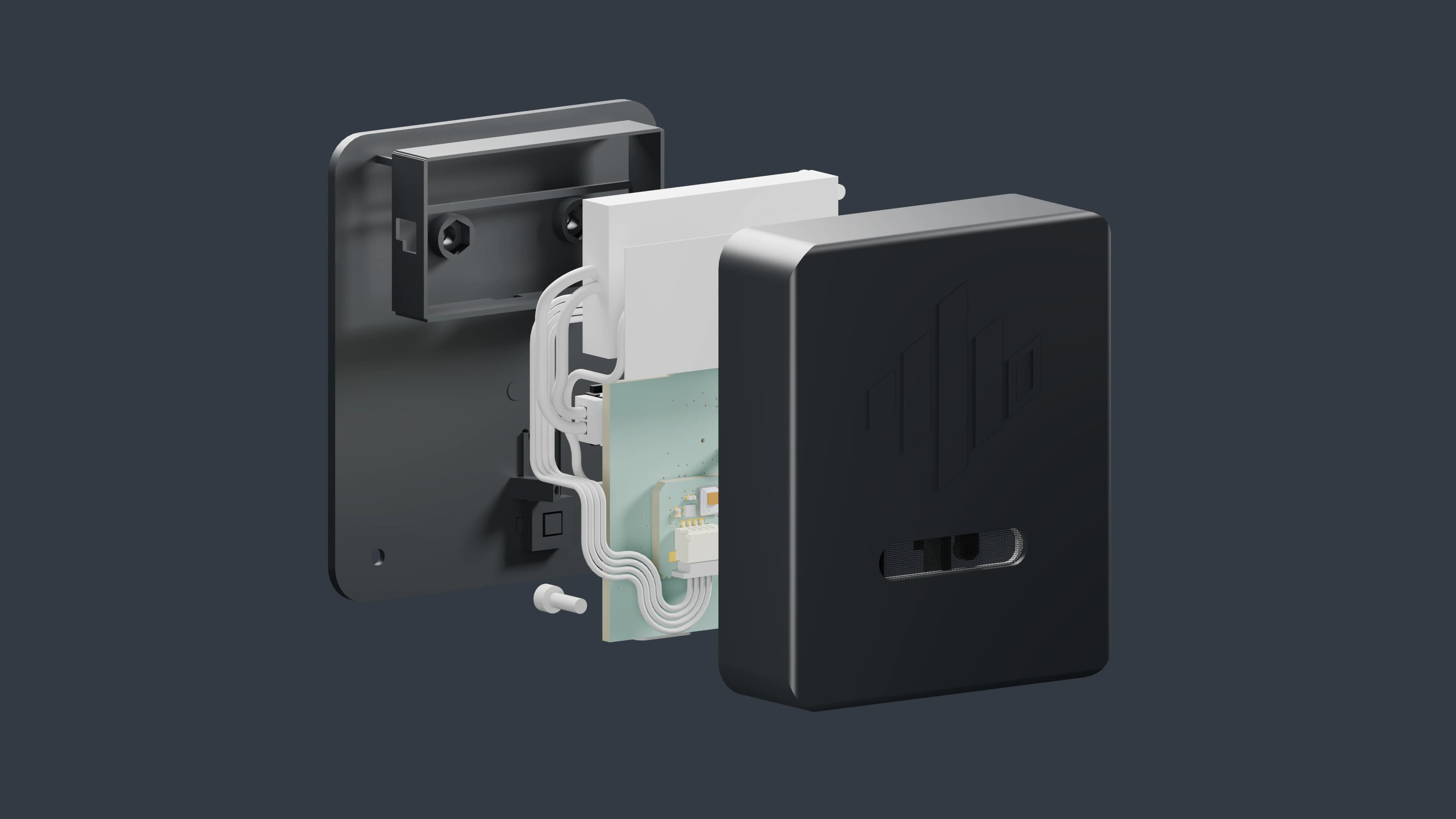
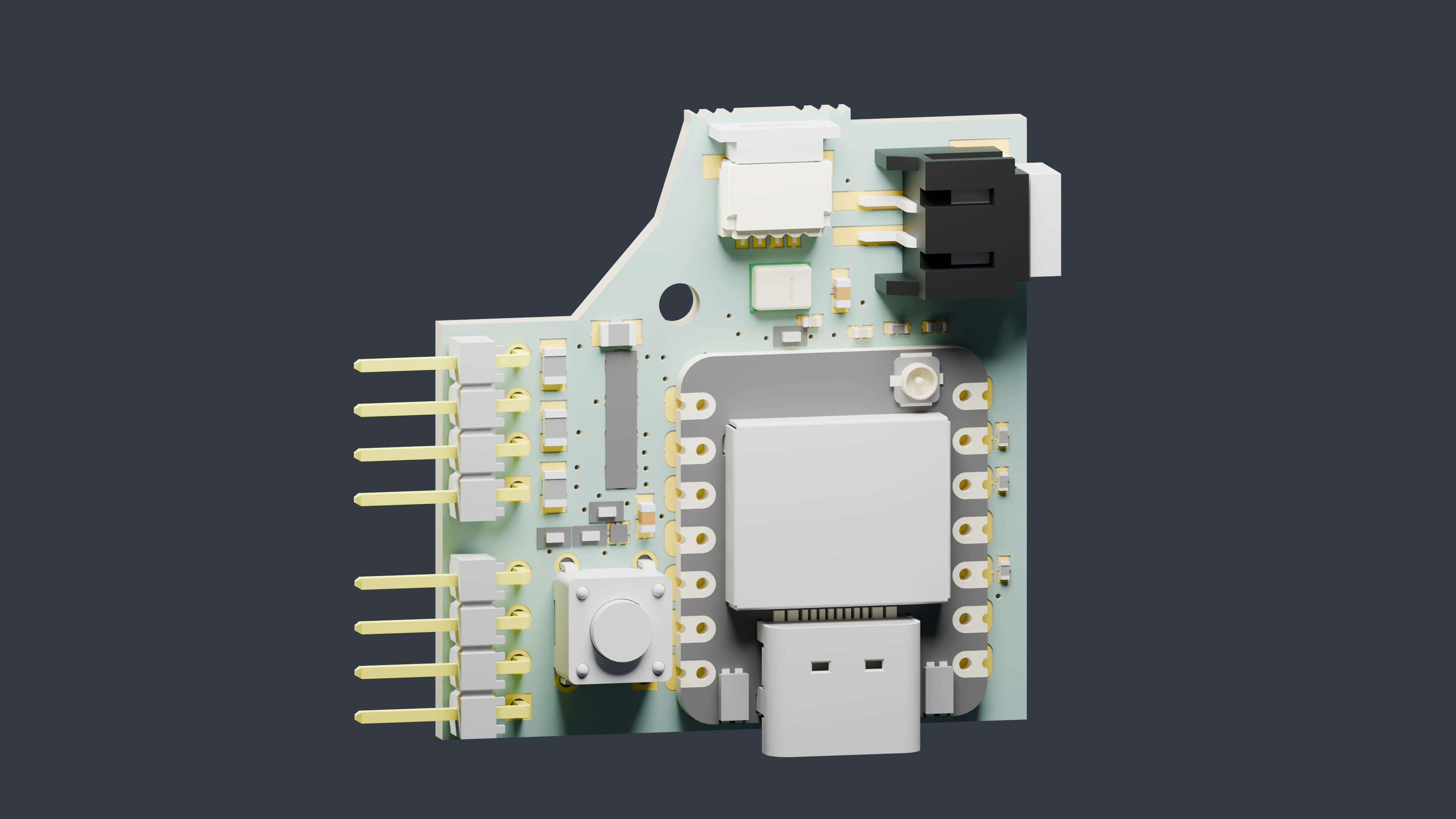
The corrected Rev A PCB and enclosure source package reached engineering-review submission in September 2026; production release and first-article qualification remain pending.
04 Outcome
Current state
I’m keeping Pulse as an active prototype with a privacy-first foundation while I explore future inference.
Where it stands
I’m keeping Pulse at the prototype stage with a local observation pipeline, an engineering-review hardware package, and a simulated venue demo; no occupancy model is implemented.
I kept privacy constraints in the collection path, added repeatable tests, and organized the embedded loops for future inference work.
- Repository
- Private repository
- Status
- Active prototype
- Current model
- No occupancy model implemented